If you're a Pixel 10 user, you may have recently encountered issues with your Wi-Fi connection, leaving you wondering what's behind the problem and when a solution will be available. The trouble started after a recent update, with many users taking to online forums to report dropped connections, slow speeds, and an overall unstable Wi-Fi experience. According to reports, the issue is not limited to a specific region or network, suggesting a software-related problem rather than a hardware or carrier-specific issue. As of now, Google has not officially commented on the matter, but the company is expected to release a patch soon to address the issue.
To understand the context of the Wi-Fi troubles, it's essential to look at the Pixel 10's specifications and features. The device is powered by the Qualcomm Snapdragon 8 Gen 4 chipset, which is a high-performance processor designed to handle demanding tasks and provide fast connectivity. The phone also features a range of connectivity options, including Wi-Fi 7, Bluetooth 5.3, and NFC. In terms of camera capabilities, the Pixel 10 boasts a 50-megapixel primary sensor, a 12-megapixel front camera, and support for 8K video recording. With a starting price of around $599, the Pixel 10 is positioned as a premium device, and users expect a seamless and reliable experience.
The Wi-Fi issues on the Pixel 10 are not an isolated incident, as other devices have also experienced similar problems in the past. For example, the Samsung Galaxy S23 series faced Wi-Fi connectivity issues after a software update, which was later resolved with a patch. Similarly, the iPhone 14 series had issues with Wi-Fi 6 connectivity, which were addressed by Apple with a subsequent update. In the case of the Pixel 10, the issue is likely related to the phone's software, possibly a bug or an incompatibility with certain network configurations. Google has a track record of quickly addressing software-related issues, and it's likely that a fix will be available soon.
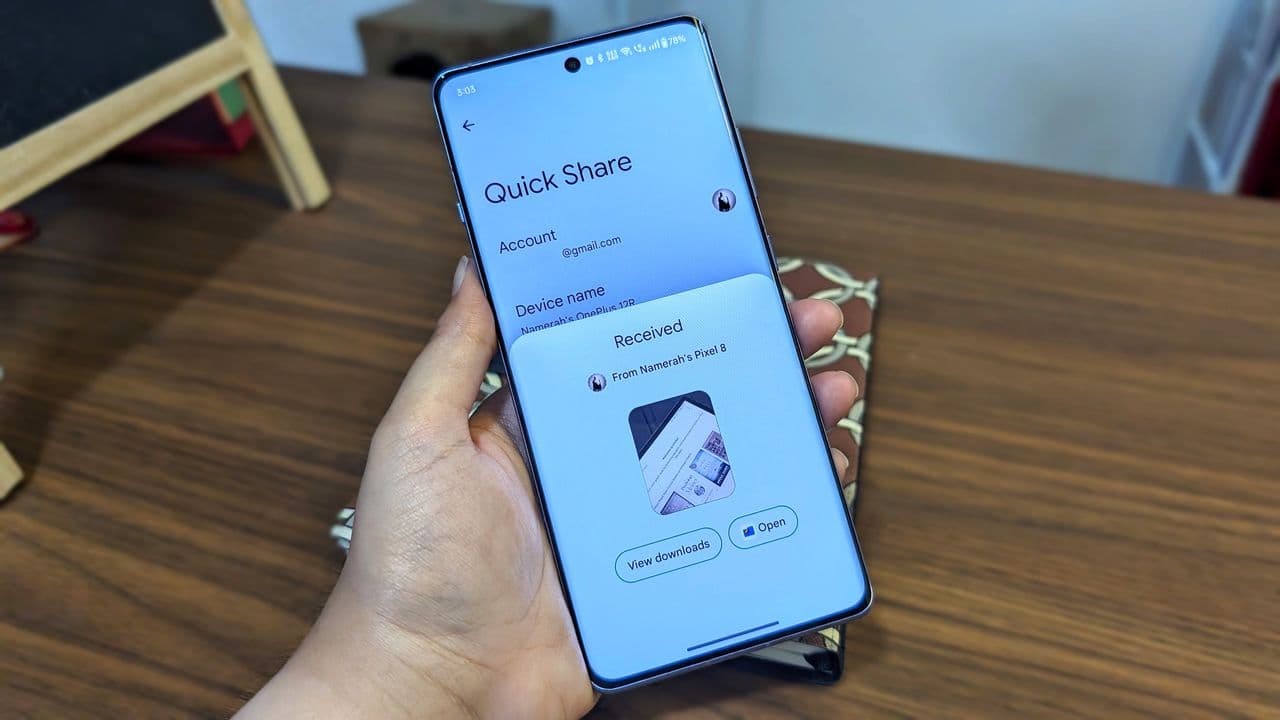
In related news, Google has announced an update to its Quick Share feature, which allows users to share files and media between devices. The update brings support for AirDrop-like functionality, making it easier for users to share content with nearby devices. The feature uses a combination of Wi-Fi and Bluetooth to establish a connection between devices, allowing for fast and secure file transfers. With this update, Google is aiming to provide a seamless sharing experience across its ecosystem of devices, including Android phones, tablets, and Chromebooks. The update is expected to roll out in the coming weeks, and it will be available on devices running Android 13 or later.
The significance of the Wi-Fi issues on the Pixel 10 cannot be overstated, as a reliable internet connection is essential for many users. With the increasing demand for remote work, online education, and streaming services, a stable Wi-Fi connection is no longer a luxury but a necessity. For users who rely on their Pixel 10 for work or other critical tasks, the Wi-Fi issues can be frustrating and disruptive. Furthermore, the issue may also impact the overall user experience, as a slow or unstable connection can affect the performance of apps, games, and other services. Google needs to address the issue promptly to maintain user trust and satisfaction.
In terms of technical specifications, the Pixel 10 features a 6.7-inch OLED display with a resolution of 1080 x 2244 pixels, a 4800mAh battery, and up to 12GB of RAM. The device also supports fast charging, with a 30W charger included in the box. The camera system is equipped with a range of features, including optical zoom, portrait mode, and night mode. With a weight of around 205 grams, the Pixel 10 is a compact and lightweight device that is designed to provide a premium user experience. The phone is available in two colors, including a sleek black finish and a vibrant orange option.
As Google works to resolve the Wi-Fi issues on the Pixel 10, users can take some steps to mitigate the problem. For example, restarting the device, resetting network settings, and updating the operating system can help to resolve connectivity issues. Additionally, users can try switching to a different Wi-Fi network or using a mobile hotspot to access the internet. While these workarounds may provide temporary relief, a permanent fix is needed to restore user confidence in the device. Google's prompt attention to the issue will be crucial in maintaining the trust of its users and ensuring that the Pixel 10 remains a competitive option in the premium smartphone market.
Looking ahead, the Pixel 10's Wi-Fi issues serve as a reminder of the importance of software updates and quality control in the smartphone industry. As devices become increasingly complex and interconnected, the risk of software-related issues will only continue to grow. Manufacturers like Google, Samsung, and Apple must prioritize software testing and quality assurance to ensure that their devices provide a reliable and seamless user experience. With the Pixel 10's Wi-Fi issues expected to be resolved soon, users can look forward to a more stable and connectivity-rich experience, and Google can focus on building on the device's strengths to maintain its position in the competitive smartphone market. As the tech industry continues to evolve, one thing is clear: a reliable and fast internet connection is no longer a luxury, but a fundamental requirement for any smartphone user.