other
Survey reveals what you think is the best OnePlus 15 alternative, and it’s a close call
By admin••6 min read
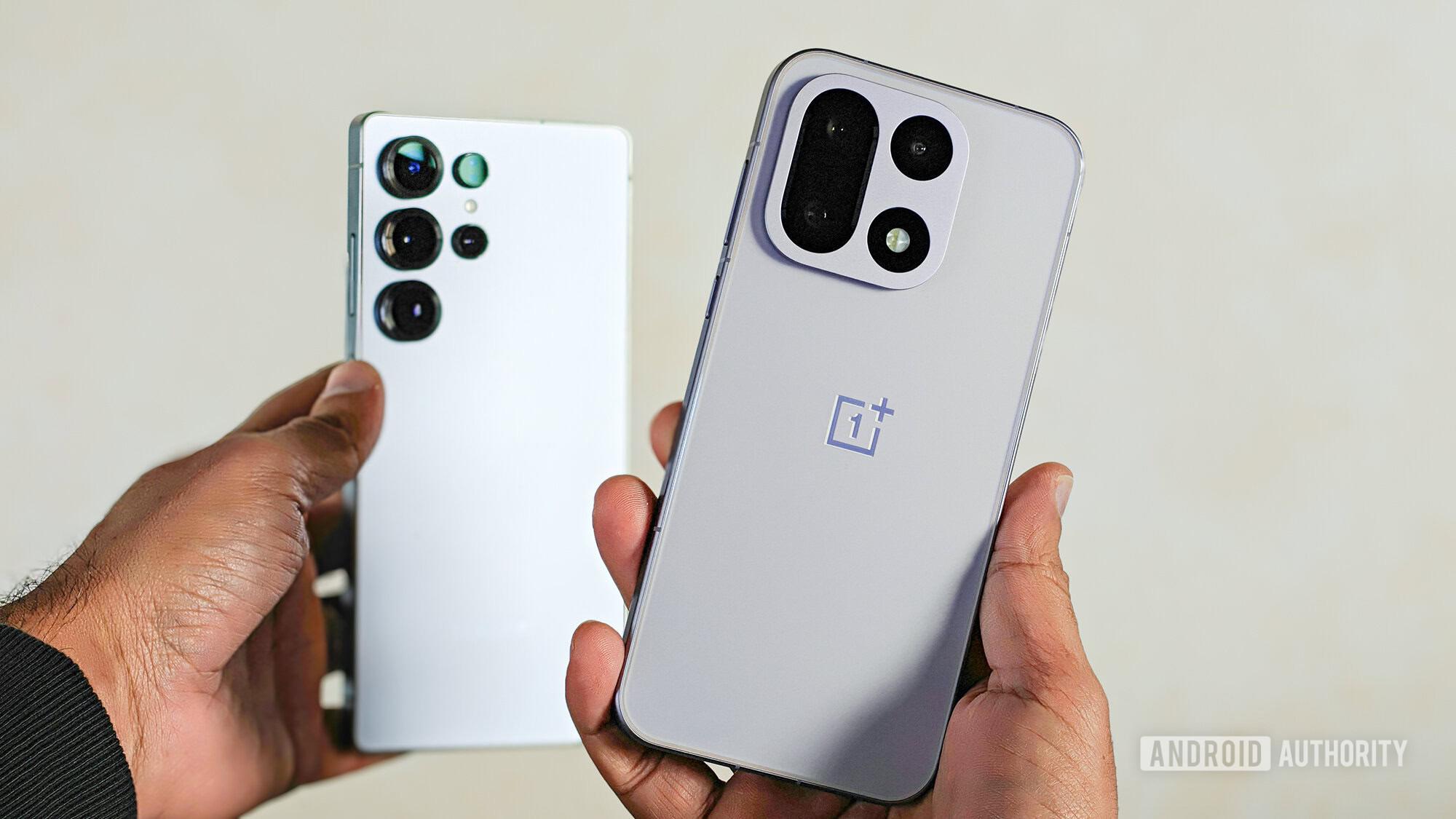
The best alternative to the OnePlus 15 is the OnePlus 13, with nearly 30% of respondents selecting this option in a recent survey. The OnePlus 13 offers a lower price point and better value proposition compared to the OnePlus 15, making it an attractive choice for consumers. The survey results also indicate that the Samsung Galaxy S25 Ultra and Google Pixel 10 Pro are close contenders, with 23.4% and 18.6% of the vote, respectively. These devices feature highly on readers' lists due to their aftermarket software support and unique brand-specific features. The Nothing Phone 3 and Motorola Razr Ultra also garnered significant votes, with 13% and 11.2% of the vote, respectively.
The OnePlus 13 features a 6.7-inch AMOLED display with a resolution of 1080 x 2412 pixels, offering a high-quality visual experience. The device is built with a glass back and a metal frame, providing a premium feel. In contrast, the Samsung Galaxy S25 Ultra boasts a 6.8-inch Dynamic AMOLED display with a resolution of 1440 x 3200 pixels, making it a strong competitor in terms of display quality. The Google Pixel 10 Pro, on the other hand, features a 6.7-inch OLED display with a resolution of 1080 x 3120 pixels. The Nothing Phone 3 has a 6.5-inch OLED display with a resolution of 1080 x 2400 pixels, while the Motorola Razr Ultra features a 6.7-inch foldable OLED display with a resolution of 1080 x 2400 pixels.
The build quality of these devices is also a key factor in their appeal. The OnePlus 13 and Samsung Galaxy S25 Ultra have IP68 ratings for dust and water resistance, while the Google Pixel 10 Pro has an IP68 rating as well. The Nothing Phone 3 has a unique design with a transparent back panel, showcasing the device's internal components. The Motorola Razr Ultra, with its foldable design, offers a compact footprint when folded, making it a convenient option for users.
The display specifications of these devices are a major differentiator. The Samsung Galaxy S25 Ultra features a 120Hz refresh rate, while the Google Pixel 10 Pro has a 120Hz refresh rate as well. The OnePlus 13 and Nothing Phone 3 have 120Hz refresh rates, while the Motorola Razr Ultra features a 144Hz refresh rate. The higher refresh rates provide a smoother visual experience, making these devices well-suited for gaming and video consumption.
In terms of display size, the Samsung Galaxy S25 Ultra has the largest display at 6.8 inches, followed by the Google Pixel 10 Pro at 6.7 inches. The OnePlus 13 and Nothing Phone 3 have 6.7-inch and 6.5-inch displays, respectively, while the Motorola Razr Ultra has a 6.7-inch display when unfolded. The display resolutions also vary, with the Samsung Galaxy S25 Ultra having the highest resolution at 1440 x 3200 pixels.
The camera systems of these devices are also a key consideration for consumers. The Samsung Galaxy S25 Ultra features a quad-camera setup with a 50MP primary sensor, a 12MP front camera, and support for 8K video recording. The Google Pixel 10 Pro has a dual-camera setup with a 50MP primary sensor, a 12MP front camera, and support for 4K video recording at 60fps. The OnePlus 13 has a triple-camera setup with a 50MP primary sensor, a 16MP front camera, and support for 4K video recording at 60fps.
The Nothing Phone 3 features a dual-camera setup with a 50MP primary sensor, a 16MP front camera, and support for 4K video recording at 60fps. The Motorola Razr Ultra has a dual-camera setup with a 50MP primary sensor, a 16MP front camera, and support for 4K video recording at 60fps. The camera systems of these devices offer a range of features, including optical zoom, portrait mode, and night mode, making them well-suited for photography enthusiasts.
The performance of these devices is also a major consideration for consumers. The Samsung Galaxy S25 Ultra is powered by the Qualcomm Snapdragon 8 Gen 2 processor, while the Google Pixel 10 Pro is powered by the Google Tensor G2 processor. The OnePlus 13 is powered by the Qualcomm Snapdragon 8 Gen 1 processor, while the Nothing Phone 3 is powered by the Qualcomm Snapdragon 8 Gen 1 processor. The Motorola Razr Ultra is powered by the Qualcomm Snapdragon 8+ Gen 1 processor.
The processors of these devices offer a range of features, including improved performance, power efficiency, and support for 5G connectivity. The Qualcomm Snapdragon 8 Gen 2 processor, for example, offers a 25% improvement in performance and a 40% improvement in power efficiency compared to the previous generation. The Google Tensor G2 processor, on the other hand, offers a range of features, including improved performance, power efficiency, and support for machine learning applications.
The battery life of these devices is also an important consideration for consumers. The Samsung Galaxy S25 Ultra has a 5000mAh battery, while the Google Pixel 10 Pro has a 5124mAh battery. The OnePlus 13 has a 4500mAh battery, while the Nothing Phone 3 has a 5000mAh battery. The Motorola Razr Ultra has a 3800mAh battery, which is relatively smaller compared to the other devices.
The charging speeds of these devices also vary, with the Samsung Galaxy S25 Ultra supporting up to 45W fast charging, while the Google Pixel 10 Pro supports up to 30W fast charging. The OnePlus 13 supports up to 80W fast charging, while the Nothing Phone 3 supports up to 33W fast charging. The Motorola Razr Ultra supports up to 30W fast charging. The battery life and charging speeds of these devices make them well-suited for heavy users who require a device that can last throughout the day.
In conclusion, the best alternative to the OnePlus 15 is the OnePlus 13, followed closely by the Samsung Galaxy S25 Ultra and Google Pixel 10 Pro. These devices offer a range of features, including high-quality displays, powerful processors, and advanced camera systems. The Nothing Phone 3 and Motorola Razr Ultra also offer unique features, such as a transparent back panel and a foldable design, making them attractive options for consumers. As the smartphone market continues to evolve, it will be interesting to see how these devices compete with each other and with future releases. According to recent reports, the next generation of smartphones is expected to feature even more advanced technologies, including improved 5G connectivity, enhanced artificial intelligence, and longer battery life.