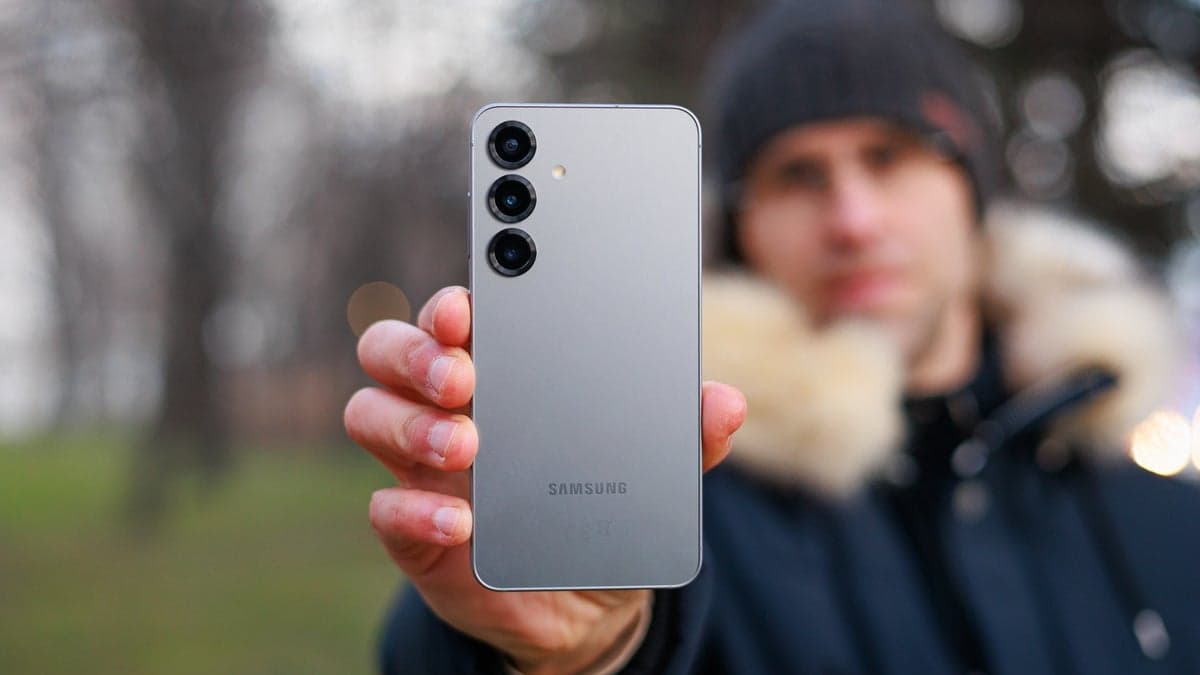
So, you heard Samsung's been beefing up its Galaxy AI, right? That's right, folks! They just added two new languages, Filipino and Gujarati, to the mix. I mean, that's no small feat, considering these languages are spoken by a combined 149.5 million people worldwide. Now, Galaxy AI supports a whopping 22 languages, covering almost 74% of the global population. That's a lot of people, if I do say so myself.
But here's the thing: what does this really mean for users? I mean, sure, it's great that Samsung's trying to make its AI more accessible, but is it really going to make a difference in people's daily lives? I think so, actually. Think about it: with Galaxy AI's Live Translate, Interpreter, and Chat Assist features, people can communicate more easily across languages. That's huge, especially for travelers or people with friends and family who speak different languages.
Now, I know what you're thinking: "Alex, this all sounds very impressive, but is it really that accurate?" Well, I've had the chance to play around with Galaxy AI, and I've got to say, it's pretty darn good. I mean, it's not perfect, but what language AI is? The thing is, Samsung's done its research, working with local centers in Indonesia and India to develop more localized language models. That's the key, right there. It's not just about throwing a bunch of algorithms at a problem; it's about understanding how people communicate in different cultures.
So, what's the big deal about Filipino and Gujarati, you ask? Well, besides being spoken by millions of people, these languages are also pretty complex. I mean, Filipino, for example, has a bunch of different dialects, and Gujarati has its own script. That's a lot for an AI to handle, but Samsung seems to be up to the task. According to them, Galaxy AI's linguistic understanding and regional insight help it adapt naturally to how people communicate. That's the kind of stuff that makes a difference, if you ask me.
But let's get real here: Samsung's not doing this out of the goodness of its heart. I mean, the company's got its sights set on the global market, and expanding Galaxy AI's language support is a smart move. Remember when Samsung launched Bixby, its virtual assistant? Yeah, that didn't exactly set the world on fire, but this is different. This is about making a real difference in people's lives, not just trying to compete with Siri or Google Assistant.
So, what can we expect from Galaxy AI in the future? I think we'll see more languages added to the mix, for sure. Maybe some new features, too. But here's the thing: it's not just about the tech itself; it's about how people use it. If Galaxy AI can really help bridge the language gap, that's something special. And who knows, maybe one day we'll have AI that can understand the nuances of sarcasm and humor. Now, that's something I'd pay to see.
Anyway, there you have it: Samsung's Galaxy AI just got a whole lot more interesting. Whether you're a fan of the company or not, you've got to admit, this is a pretty big deal. So, what do you think? Are you excited about the prospect of more language support in AI? Let me know in the comments!