other
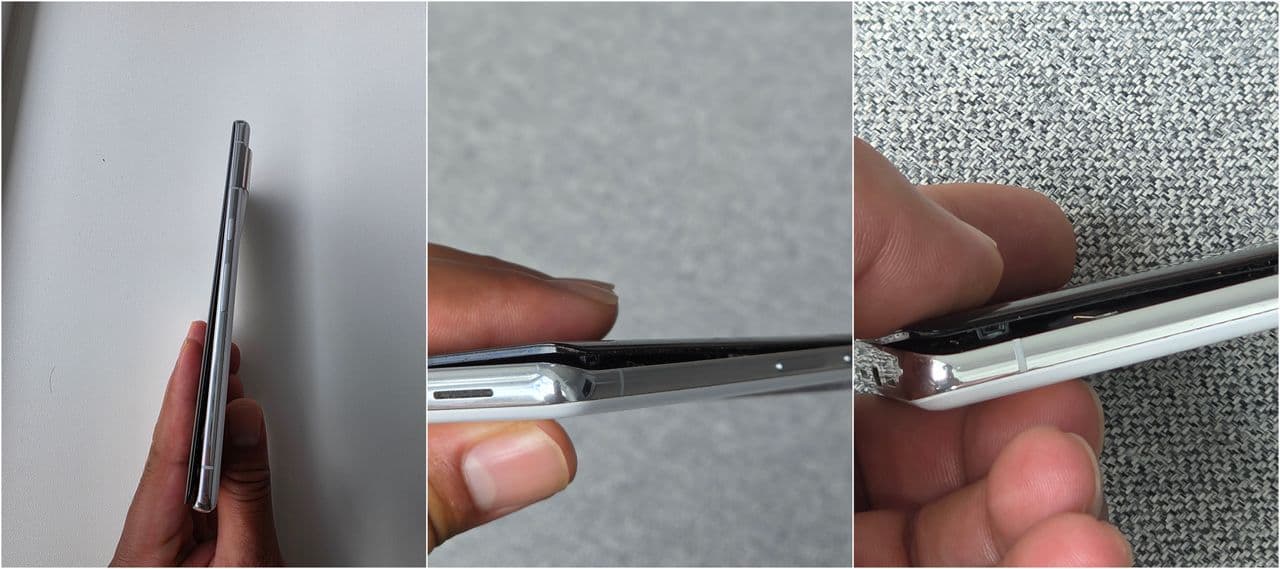
Battling the bulge: Understanding why smartphone batteries swell, the factors that can lead to it,
By admin••3 min read
The joys of owning a smartphone - until it starts to swell up like a bloated balloon, that is. You know, that awkward moment when you realize your phone's battery is the culprit, and you're left wondering what you did wrong. Newsflash: it's not just your phone, it's a common problem that can happen to anyone. So, what's behind this swelling phenomenon, and more importantly, how can you avoid it?
Let's face it, lithium-ion batteries, the type used in most smartphones, are a mixed bag. On the one hand, they're relatively light, efficient, and provide a decent amount of power. On the other hand, they can be pretty finicky. Factors like temperature fluctuations, overcharging, and physical stress can cause the battery to degrade over time, leading to that pesky swelling issue.
I remember when Samsung's Galaxy Note 7 debacle happened back in 2016. The phone's battery was literally exploding, and it was all because of a manufacturing defect. That was an extreme case, but the point is, batteries can be unpredictable. Now, most phone makers have improved their manufacturing processes, but that doesn't mean you're completely safe from battery woes.
So, what exactly causes a battery to swell? Well, when a lithium-ion battery charges and discharges, the internal chemistry can change, causing the battery to expand. It's like when you inflate a balloon and it gets all bloated - same idea. Normally, the battery's case is designed to accommodate this expansion, but if the battery is faulty or damaged, it can start to push against the phone's casing, making it bulge.
Now, you might be thinking, "But Alex, I'm a careful user, I don't overcharge my phone, and I don't leave it in the car on a hot summer day." Well, that's great, but there are other factors at play. For instance, if you drop your phone and damage the battery, it can start to degrade faster. Or, if you're using a cheap, third-party charger that's not designed for your phone, it can cause the battery to overheat.
Here's the thing: most phone manufacturers don't make it easy to replace the battery yourself. It's like they want you to upgrade to a new phone instead of fixing the old one. Apple, I'm looking at you. But, in all seriousness, if you do notice your phone's battery starting to swell, it's best to replace it ASAP. Don't try to puncture it or squeeze it like a stress ball - that's just a recipe for disaster.
In my experience, the best way to extend the life of your phone's battery is to treat it with care. Avoid extreme temperatures, don't overcharge it, and use a charger that's designed for your phone. It's not rocket science, folks. Also, if you do need to replace your phone's battery, don't be afraid to look for third-party options. They might not be as expensive as the official ones, and they can still get the job done.
So, the next time you notice your phone's battery starting to swell, don't panic. It's not the end of the world, and it's definitely not a reason to upgrade to a new phone. Just take it to a repair shop or replace the battery yourself (if you're feeling brave). And remember, a well-maintained battery is a happy battery.